
Older homes throughout St. Louis County have a unique charm with their craftsmanship and character, but they can also present a range of electrical issues that newer properties may not. If you’re planning to buy a home built several decades ago, understanding what may be hiding behind the walls is critical before closing the sale. A comprehensive electrical inspection doesn’t just provide peace of mind; it protects your investment, your wallet, and your family’s safety.
Common Types of Outdated Electrical Wiring
Many older homes in areas like Kirkwood, Webster Groves, and University City often feature original wiring systems that have long surpassed their safe operational life. You may encounter:
-
Knob-and-tube wiring, which lacks grounding and can be a fire hazard.
-
Cloth-insulated wiring, which deteriorates over time and exposes bare wires.
-
Aluminum wiring, common in mid-century builds, which can overheat at connections.
Outdated wiring is often not immediately visible, especially during a typical home showing. Issues may be hidden in attic spaces, wall cavities, or behind finished basement walls. They can become problematic during Missouri’s humid summers and chilly winters, when demands on electrical systems surge due to heating or cooling.
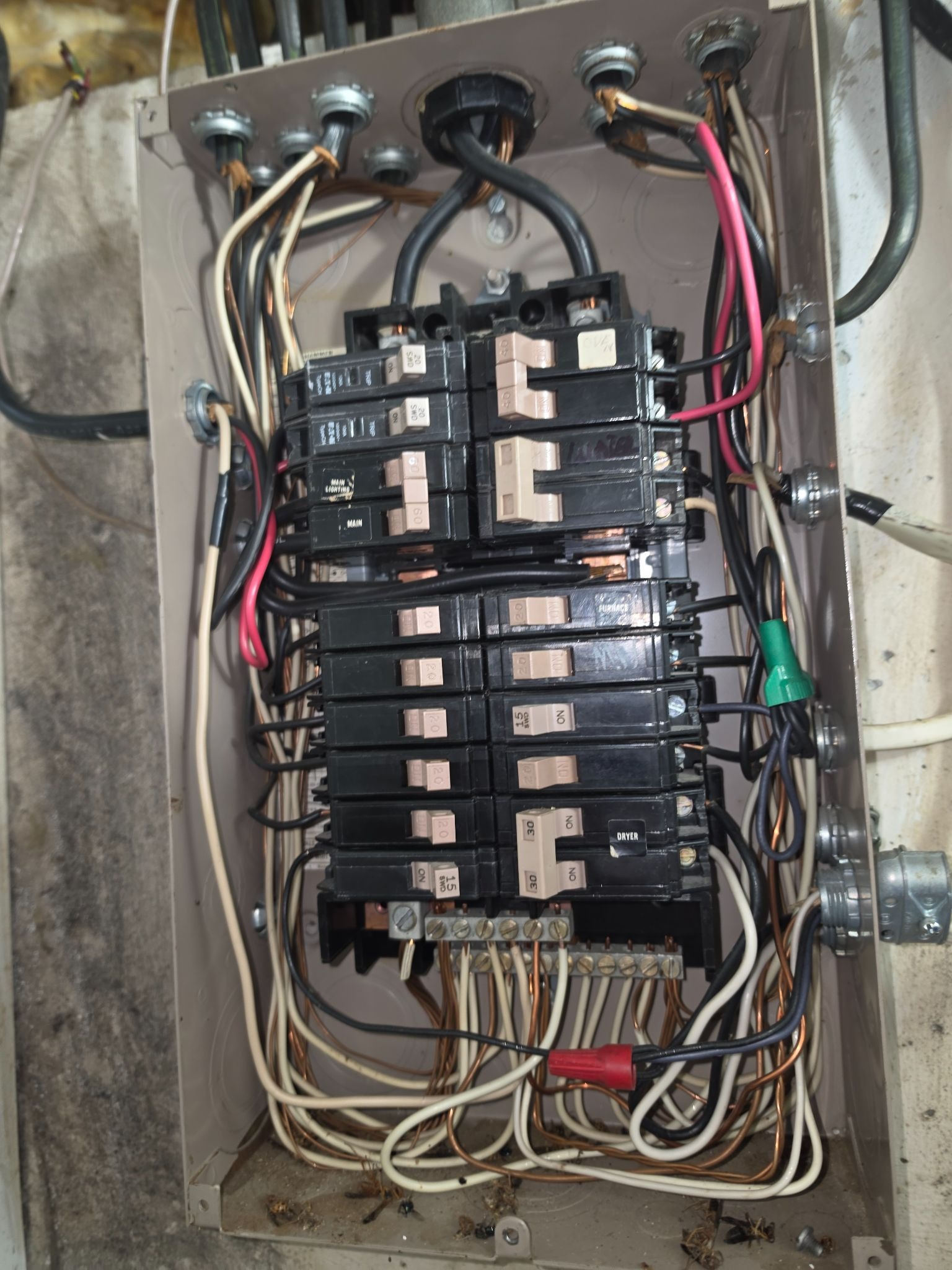
Undersized or Unsafe Electrical Panels
Older properties often still operate with the original main panel. These panels might be rated for only 60 or 100 amps, which is undersized for modern electrical demands. Tell-tale signs include frequent tripped breakers or fuses that blow when you run multiple high-wattage appliances. Some homes still use fuse boxes, which may not meet current safety standards, and in certain cases, homes have panels from manufacturers like Federal Pacific or Zinsco, which are no longer considered safe.
A detailed evaluation may uncover double-tapped breakers, faulty connections, or missing labels, all of which compromise your home’s safety. Replacing these panels may be necessary to bring your home up to code and support newer systems like EV charger installation or central air conditioning.
Unpermitted and DIY Electrical Work
As homes change hands, it’s not uncommon to find that previous owners tried their hand at electrical updates, sometimes without proper permits or professional experience. You might discover:
-
Open splice connections hidden behind walls.
-
Improperly installed outlets and switches.
-
Undocumented work not found on home permits.
Poorly executed DIY projects may not be apparent during a walkthrough, but they can lead to safety hazards and even insurance claims being denied. A skilled electrician’s inspection will identify unsafe work, ensure all systems comply with St. Louis County codes, and help you avoid surprise expenses.
GFCI and AFCI Protection Considerations
Modern electrical codes require GFCI outlet installation in kitchens, bathrooms, basements, garages, and around outdoor spaces—areas especially vulnerable to moisture. Many homes built before the 1980s lack these life-saving devices. Similarly, breaker panel upgrades may be needed to include AFCI protection, which guards against dangerous arc faults.
For safety and compliance, an electrician will verify that all critical areas have the right protection installed, and recommend upgrades where necessary.
Why a Whole-Home Electrical Inspection Matters
A comprehensive electrical inspection before closing is the only way to ensure you’re not inheriting expensive, hidden issues. Local electricians with experience in St. Louis County’s older homes can spot region-specific concerns, like corrosion from humidity, signs of previous storm damage, or outdated connections still in service. They will test wiring, evaluate panel capacity, investigate every outlet, and offer prioritized recommendations so you can make an informed buying decision.
Schedule Your Electrical Inspection Before Closing in O’Fallon, MO
Buying an older home in St. Louis County is rewarding, but only when you know your investment is safe. At Infinity Electric of O’Fallon, our team specializes in thorough inspections for historic properties across the county and delivers clear, actionable reports to prevent costly surprises. Before you close, call (636) 497-8608 or fill out our online form to schedule a professional inspection today.